


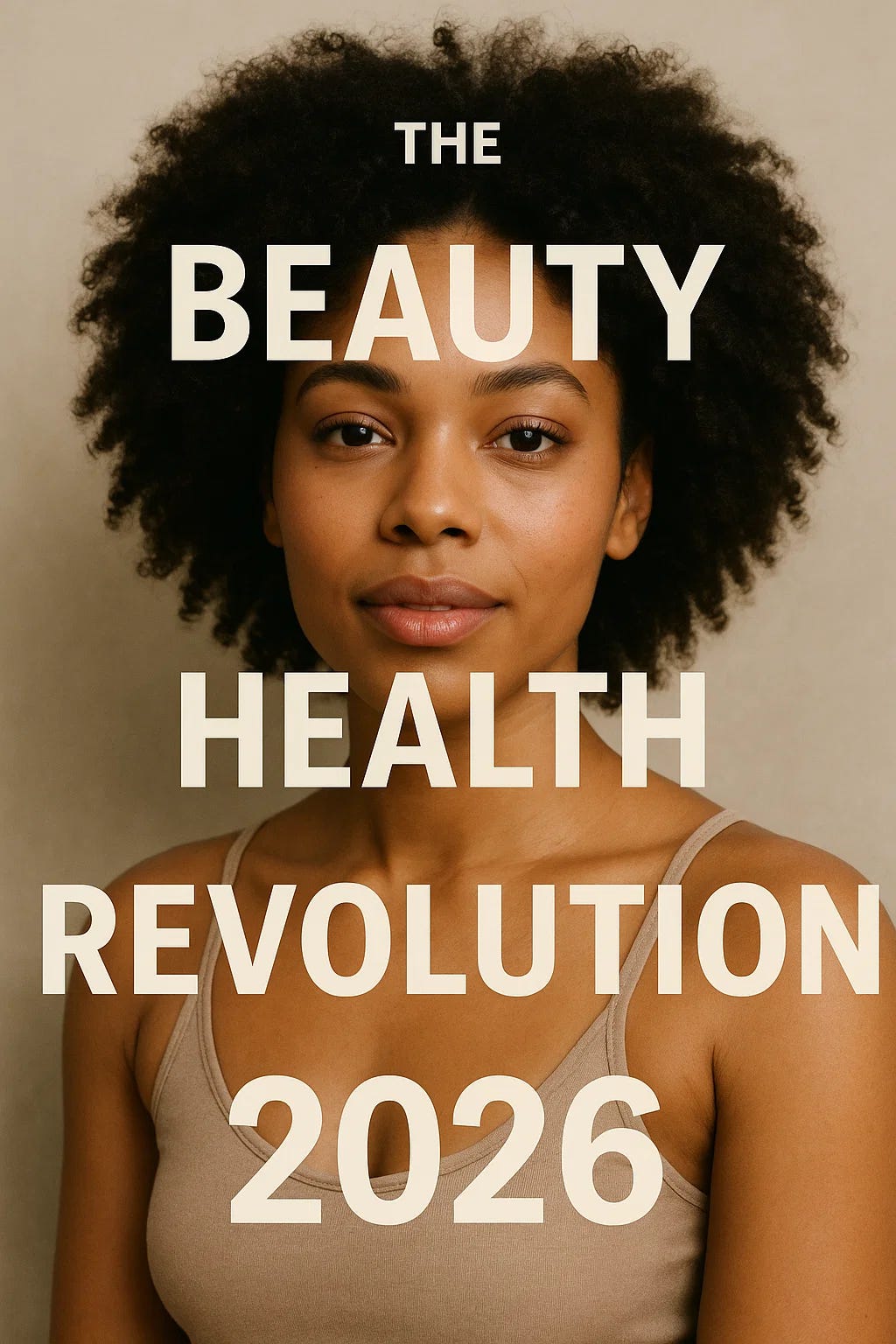
Let me tell you what I’m seeing in beauty right now, and it’s not what most people think.
We’re witnessing the biggest behavioural shift since the rise of K-beauty. But this time, it’s not about glass skin or 10-step routines. It’s about consumers becoming their own skin scientists, armed with TikTok PhDs and a deep skepticism of anything that sounds like marketing fluff.
The numbers tell a story that most brands aren’t ready for: 73% of Gen Z consumers now research ingredients before purchasing (up from 31% in 2020). Meanwhile, “skin barrier repair” searches have grown 485% year-over-year, and “hyperpigmentation treatment” outpaces “anti-aging” in search volume for the first time ever.
This is a fundamental rewiring of how people think about beauty.
Here’s what’s actually happening and what it means for anyone building, investing in, or advising beauty brands.
1. The DIY Beauty Renaissance Is Creating a $47B Shadow Market
Forget what you know about DIY beauty from 2015’s coconut oil era. Today’s DIY movement is scientifically literate, ingredient-obsessed, and creating what I call the “shadow beauty market.”
The data is staggering:
TikTok’s #DIYskincare has 8.4 billion views (growing 127% annually)
Amazon’s raw cosmetic ingredients category grew 340% in 2024
The Ordinary’s success spawned 200+ ingredient-focused brands globally
61% of consumers now mix or layer products to create custom formulations
The average DIY beauty consumer spends £327 annually on ingredients and tools, 40% more than traditional beauty buyers. They’re buying:
Niacinamide powder (£15-30)
Peptide complexes (£40-80)
Ceramide concentrates (£25-50)
pH testing strips (£10)
Mixing tools and containers (£30-60)
UV sanitizers for tools (£45-120)
As a brand you should stop thinking “finished products” and start thinking “beauty systems.” The winners will offer:
Boosters and concentrates for customisation
Mix-in actives with clear dosing guides
Base products designed for enhancement
Education that rivals medical content
Look at Deciem’s new “Lab Series” – £180M in revenue from selling ingredients, not products. That’s the future.
2. Skin Health Metrics Are Replacing Beauty Standards
The shift from “How do I look?” to “How healthy is my skin?” is reshaping the entire £430B global beauty market.
Consider these signals:
Skin diagnostic device sales hit £2.1B in 2024 (projected £5.8B by 2027)
“Transepidermal water loss” has 420K monthly searches (was unmeasurable in 2019)
Professional skin analysis apps have 47M active users globally
82% of prestige beauty consumers want quantifiable skin improvements
The new beauty KPIs consumers track:
Hydration levels (optimal: 40-60%)
Oil production rates
Pore size measurements
Melanin index scores
Barrier function indicators
Inflammatory markers
This is why clinical brands are crushing it:
SkinCeuticals: 34% YoY growth (£1.4B revenue)
La Roche-Posay: 28% growth (£2.1B revenue)
CeraVe: 42% growth in premium segments
Meanwhile, traditional luxury beauty grew just 4%.
The opportunity: Build brands that measure, track, and prove transformation. Partner with diagnostic tools. Create before/after protocols. Make health the hero, not hope.
3. African Beauty Intelligence Is Going Global (Finally)
The Western beauty industry is about to learn what African and diaspora consumers have known forever: melanin-rich skin has fundamentally different needs.
The economics are undeniable:
African beauty market: £11.8B (2024) → £33B (2031)
Global melanin-focused skincare: £6.2B → £18B by 2029
Hyperpigmentation treatment market: £8.4B by 2030
67% of Black consumers will pay premium for melanin-first formulations
African beauty wisdom is becoming the blueprint for global innovation.
Take shea butter – once relegated to “ethnic” aisles, now a £820M global ingredient. Or black soap, growing 180% YoY in European markets. Or the rise of hyperpigmentation heroes like Topicals (£30M funding) and Epi.Logic (acquisition by Unilever).
What’s driving this:
Hyperpigmentation affects 80% of Black and Brown skin
Post-inflammatory hyperpigmentation is the #1 concern for 73% of melanin-rich consumers
Traditional Western actives (retinoids, acids) often worsen PIH in darker skin
African botanicals show superior results for inflammation and barrier repair
The playbook:
Start with melanin science, not colour matching
Address inflammation before aesthetics
Build with tyrosinase inhibitors that don’t bleach
Incorporate African botanicals with clinical validation
Price for premium (these consumers already pay more for less effective products)
Brands like Fenty Skin (£580M valuation), Buttah (£5M revenue in year one), and Epara are just the beginning.
4. Preventative Beauty Is Eating Reactive Beauty’s Lunch
The biggest shift no one’s talking about? Beauty is moving from correction to protection.
The data speaks volumes:
Preventative skincare market: £67B by 2028 (23% CAGR)
Average age of first anti-aging purchase: dropped from 27 to 19
SPF is now the #1 skincare purchase globally (overtook moisturizer)
Blue light protection products: £1.2B market by 2027
What consumers now prevent against:
UV damage (93% daily SPF users, up from 42% in 2020)
Pollution (anti-pollution skincare: £14B by 2030)
Blue light (75% of Gen Z concerned)
Inflammatory triggers
Microbiome disruption
Glycation
Oxidative stress
This shift is creating entirely new categories:
Pollution shields: £3.2B
Microbiome protection: £2.8B
Digital aging defence: £1.7B
Inflammaging prevention: £4.1B
The winning formula: Position products as investments, not treatments. Show 5-year, 10-year skin projections. Build subscriptions around protection protocols.
5. AI Beauty Advisors Will Replace Human Consultants by 2027
This is the trend that will eat everything else: AI becoming your personal skin therapist, formulator, and purchasing agent.
The acceleration is breathtaking:
L’Oréal’s AI skin diagnostic: 35M uses in 2024
Perfect Corp’s virtual try-on: 1B+ uses annually
AI beauty market size: £2.8B (2024) → £13.4B (2030)
78% of consumers trust AI skin analysis over human consultants
But here’s what’s really happening: AI is compressing the entire beauty journey from months to minutes.
Traditional journey: Problem → Research (2-3 weeks) → Trial and error (3-6 months) → Results
AI journey: Scan → Diagnosis → Personalised protocol → Predictive results → Purchase → Track
The brands winning with AI:
Proven Skincare: AI-customised formulations (£10M ARR)
Atolla: Monthly AI-adjusted serums (500% growth)
Function of Beauty: £130M revenue from personalisation
Curology: £250M valuation from tele-derm + AI
What’s next: AI will move from diagnosis to formulation. Imagine taking a photo and having a custom serum formulated, manufactured, and delivered within 72 hours. The tech exists. The infrastructure is building.
The Uncomfortable Truth About 2026
Here’s what most people won’t tell you: 80% of today’s beauty brands won’t exist in 2026.
Not because they’re bad brands. But because they’re solving yesterday’s problems with yesterday’s tools.
The brands that will thrive understand that:
Efficacy beats aesthetics
Education beats influence
Measurement beats marketing
Prevention beats correction
Personalisation beats segmentation
Science beats stories
Culture beats category
Your 2026 Action Plan:
Pick one physiological problem and become the world expert at solving it
Build measurement into your brand DNA – if you can’t prove it, don’t claim it
Create education content that rivals medical journals (seriously)
Partner with diagnostic tools or build your own
Think global from day one – cultural beauty wisdom travels fast
Price for value, not volume – clinical credibility commands premium
Build for the shadow market – enable customisation and enhancement
The beauty industry is splitting into two camps: those who help consumers look good, and those who help them be healthy.
The healthy camp isn’t just winning. It’s about to own the entire game.
One final thought: The most successful beauty brand of 2026 probably doesn’t exist yet. It’s being built right now by someone who understands that beauty isn’t about covering up anymore.
It’s about revealing what healthy actually looks like.
Keep building
David
What resonated most? What opportunity are you seeing that others aren’t? Hit reply – I read everything.
- David
P.S. If you want the full data deck with 50+ beauty market insights and the “2026 Beauty Playbook” framework, let me know. I’ll put together a dedicated deep dive for paid subscribers.
Want to go deeper? Book office hours here - intro.co/DavidOlusegun